The hidden cost of hosting videos on YouTube
.png)
YouTube, the second-largest search engine after Google, has millions of users worldwide, including businesses, that host their videos on the platform. Over the years, it has become the default choice for hosting everything from onboarding videos to customer education content.
Here are some of the key reasons why:
- It’s free
- Easy for anyone to host videos
and
- Videos can be seamlessly embedded into websites
However, while the cost-effectiveness of YouTube video hosting might initially seem appealing, there are a few significant drawbacks that businesses should take into account before relying on it as their primary video hosting solution.
What happens when you host your videos on YouTube
1. Slower load times
A standard YouTube iframe adds around 1.3-2.6 MB to your page weight as it loads multiple scripts, fonts, stylesheets, and tracking elements required for YouTube to function. This slows down your website and negatively impacts Core Web Vitals.

2. YouTube embeds compress your videos
To ensure cross-device and browser compatibility, YouTube compresses uploaded videos. However, this can reduce video quality, making your website appear less professional and reducing viewer engagement.

3. Videos get stuck in processing
Uploaded videos go through processing (encoding) to provide a smooth viewing experience. However, this stage can often get delayed due to large file sizes, export issues (such as unsupported codecs or frame rates), and server congestion, creating workflow friction.
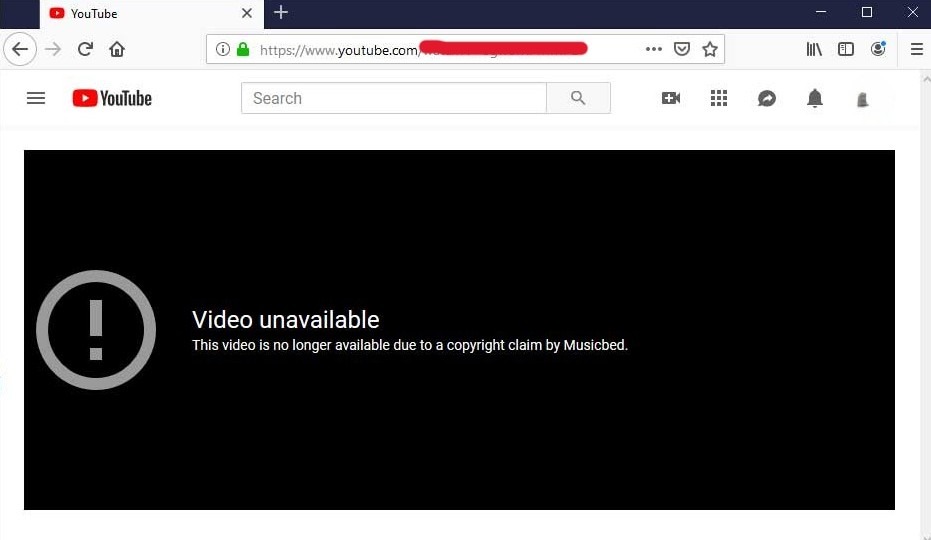
4. YouTube can penalize your videos
Another major drawback of YouTube video hosting is that your videos might be permanently removed for violating its Community Guidelines or Copyright policies.
This can undermine your brand credibility, reduce viewer trust, and lower conversion rates.
5. Viewers’ attention gets divided
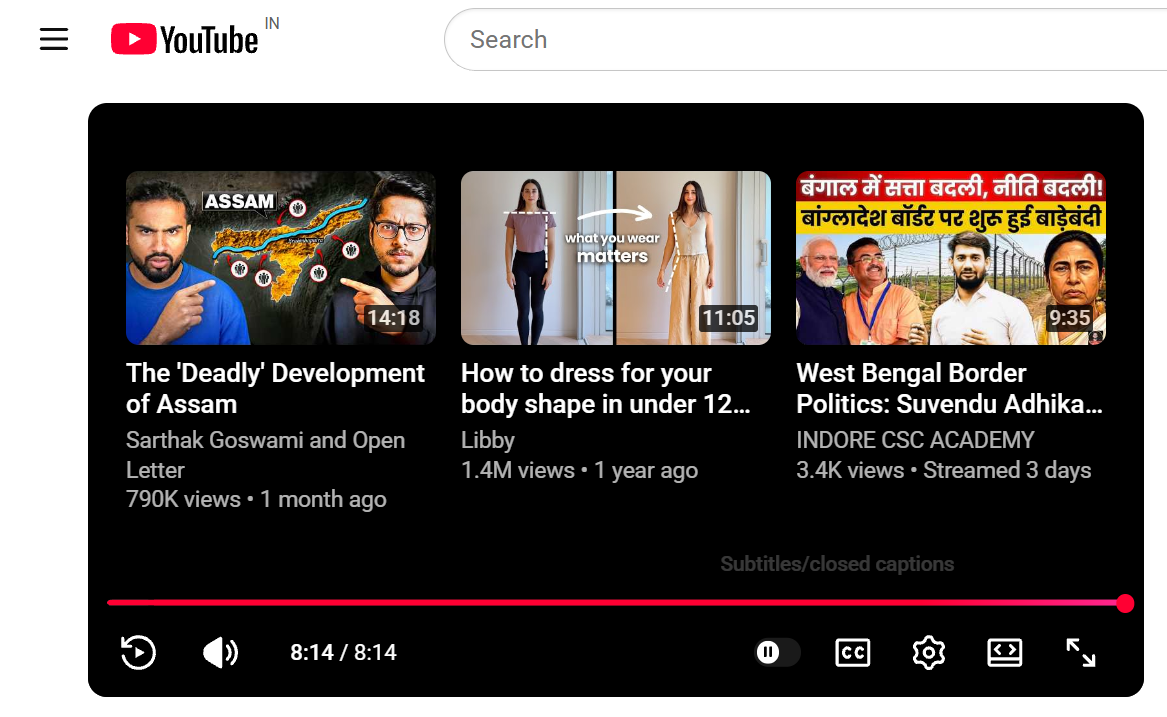
YouTube displays competitor advertisements or unrelated video recommendations before (pre-roll), during (mid-roll), or after (post-roll) your videos. This can distract viewers and shift their attention away from your content.
6. Traffic gets redirected to YouTube
YouTube’s player is designed to drive engagement back to YouTube. Even with embedded videos, viewers may click on ads or suggested videos and leave your website, redirecting traffic away from your business.
7. YouTube gets the SEO value
Even if your videos rank on Google and other search engines, all of the SEO benefits go to YouTube and not your website, where you can capture leads or drive sales.
8. Limited customization and branding
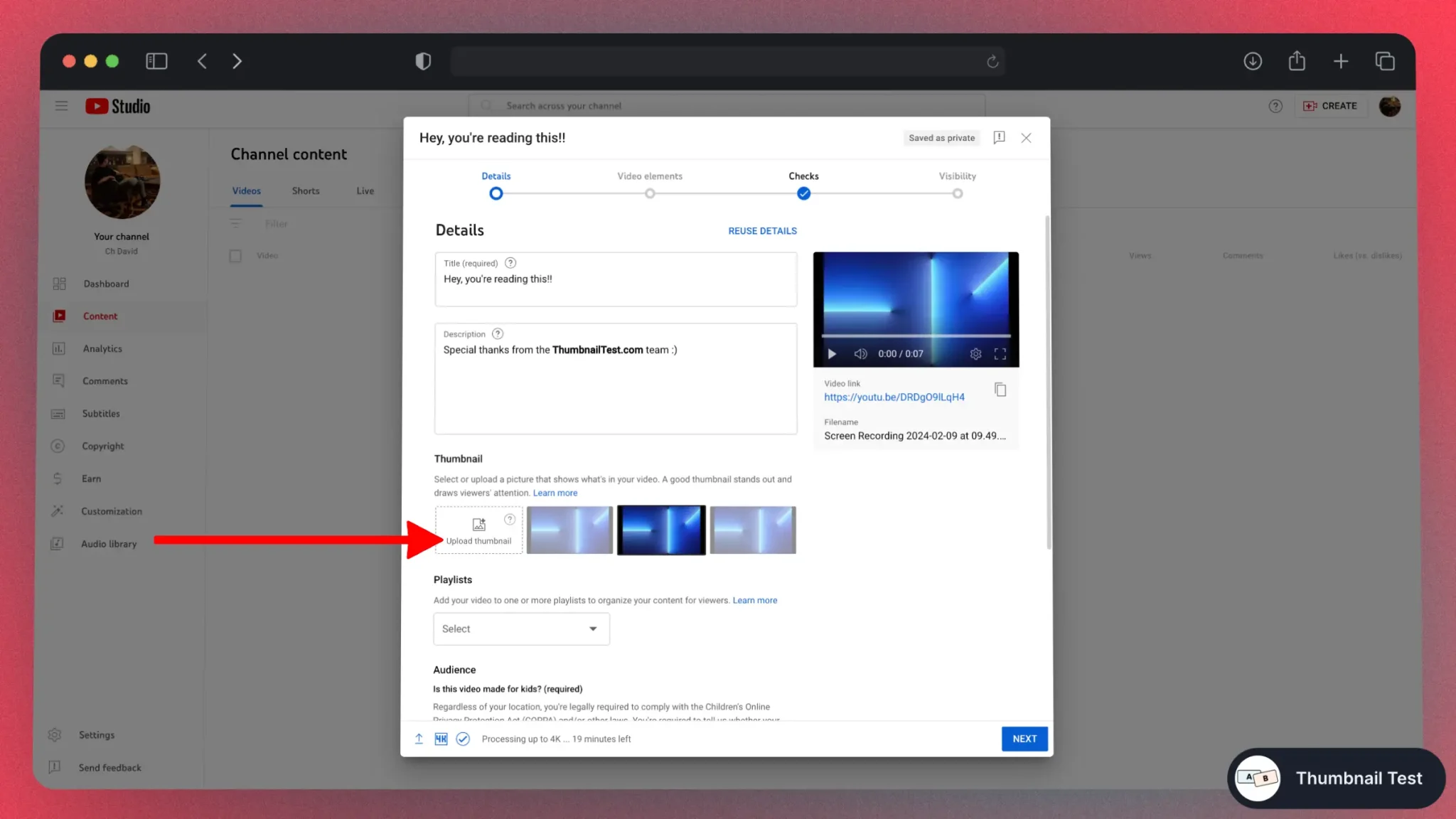
While YouTube offers basic customization like thumbnails, descriptions, and end screens, you have limited control over the player. Its default player interface and branding can make videos feel disconnected from your website experience.
Reliable video hosting makes the difference
As businesses become more aware of the hidden costs of hosting website videos on YouTube, many are switching to dedicated video hosting platforms for greater control, reliability, and performance.
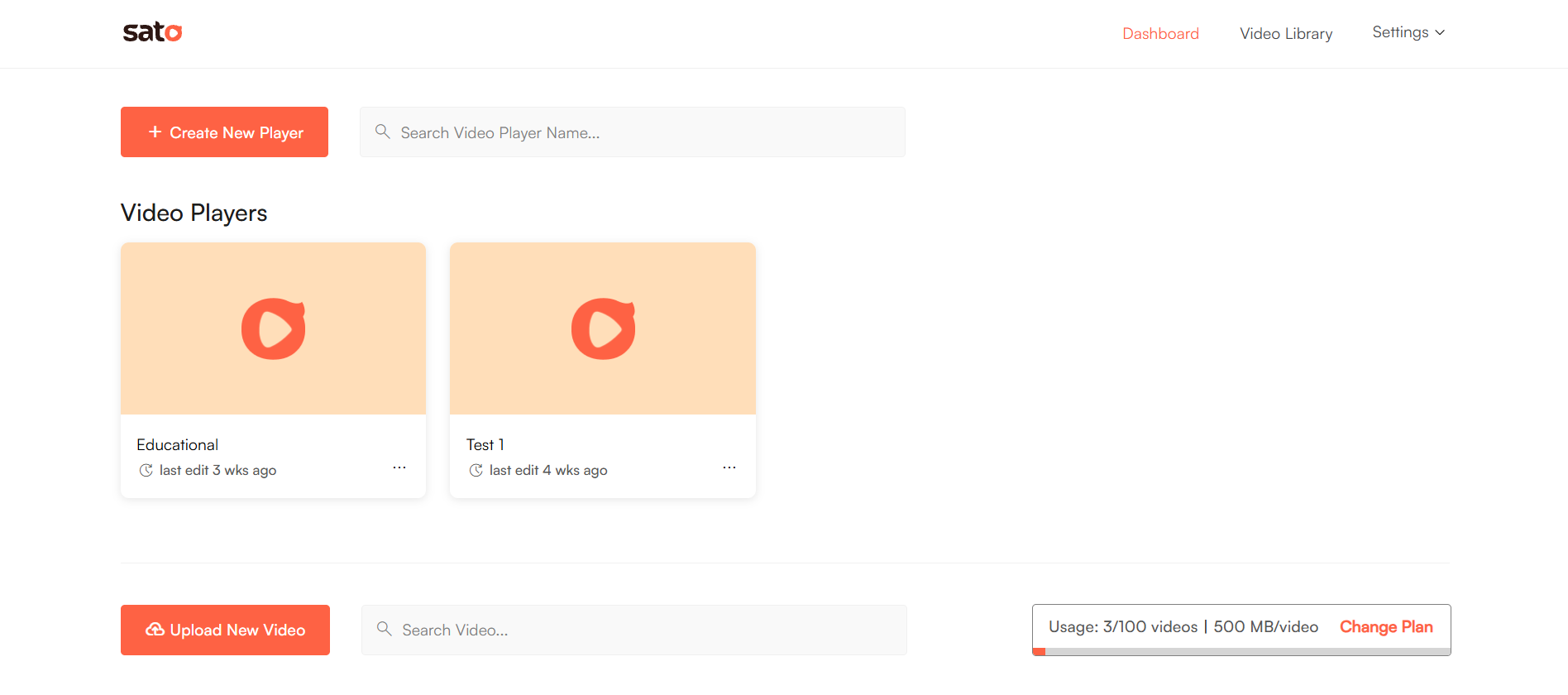
Platforms like Sato are designed to make website video hosting simpler and more dependable. From smooth playback and faster publishing workflows to ad-free viewing experiences and keeping visitors on your website, dedicated hosting solutions help businesses deliver videos without compromising performance or user experience.